Last Updated: August 6, 2026
Most camping checklists you find online are written for someone carrying their gear on their back or driving to a campground with a picnic table. Overlanding is a different problem. You are self-sufficient, you are usually a long way from a parts store, and you are not weight-limited the way a backpacker is, so the question is not “what is the lightest option” but “what keeps me moving when something goes wrong.”
This list is organized by system instead of by category, because that is how you actually pack a rig and how you actually find things at nine at night in the wind. Older versions of this post were a generic camping list. This one is not.
Short answer: for a first overlanding trip, the non-negotiables are recovery gear, a way to air tires up and down, water storage, offline navigation, a real first aid kit, and a tire repair kit. Everything else on this page makes the trip better, but those six get you home.
How to use this list
Every section is split three ways.
Trip one is what you should not leave without, even on an easy weekend on graded forest roads.
Building out is what you add once you have a few trips in and know what actually annoys you.
Nice to have is real gear that solves real problems, but nobody needs it to start.
Do not buy the whole list. Buy the trip-one column, go out, and let the trips tell you what is missing.
Recovery and getting unstuck
The whole reason overlanding gear looks different from camping gear. Being stuck alone in a place with no cell service is the actual risk you are packing against.
Trip one
- Recovery boards (traction boards)
- Kinetic recovery rope rated for your rig’s weight
- Two rated soft shackles or bow shackles
- Folding shovel
- Gloves that you do not mind destroying
Building out
- Rated recovery points front and rear, actually bolted to the frame
- Snatch block or pulley
- Winch, once you are traveling alone regularly
Nice to have
- Hi-lift or exhaust jack, with the training to use one safely
- Tree saver strap
One honest note. A winch is the gear people buy first and need fifth. Boards and a rope solve most situations, and they cost a fraction of what a winch and a bumper cost.
Tires and air
Airing down is the cheapest performance upgrade in overlanding, and airing back up is what lets you drive home on pavement.
Trip one
- Portable air compressor rated for your tire size
- Tire deflator and pressure gauge
- Tire plug kit, and know how to use it before you need it
- Full-size spare that actually matches your tires
Building out
- Second spare on longer or more remote routes
- Valve stem tool and spare valve cores
Power
Trip one
- Jumper cables or a lithium jump pack
- USB charging that does not depend on the engine running
- Headlamp plus spare batteries
Building out
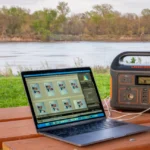
- Portable power station sized to your fridge and devices
- Dual battery or DC-DC charging setup
- Solar panel for multi-day stationary camps
Nice to have
- Inverter, only if you actually run AC devices
Water
Plan on a gallon per person per day minimum, more in heat, and more if you are cooking and cleaning at camp.
Trip one
- Water containers with a real spigot, not milk jugs
- Personal bottles or a hydration bladder
- Water filter or purification tablets if you plan to draw from a source
Building out
- Larger tank or in-rig water system
- Portable shower or pressurized rinse setup
Sleep and shelter
Trip one
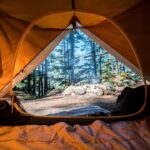
- Ground tent or roof top tent, whatever you already own
- Sleeping bag rated 10 to 15 degrees below the coldest night you expect
- Sleeping pad or mattress, which matters more than the bag for comfort
- Pillow, and yes it is worth the space
Building out
- Awning for shade and rain cover
- Ground tarp or footprint
- Extra stakes and guy lines, because prairie wind eats the ones in the box
Nice to have
- Annex or changing room
- Heater, with a carbon monoxide detector if it burns anything
Packing a wet tent is its own skill. We wrote up the process in how to take down a tent in the rain, and it is worth reading before you need it.
Kitchen
Trip one
- Two-burner camp stove and fuel, plus more fuel than you think
- One pot, one pan, one cutting board, one good knife
- Plates, bowls, utensils, mug
- Cooler with ice, or a fridge if you have one
- Trash bags, always more than one
- Biodegradable soap, sponge, wash basin
Building out
- Chuck box or drawer system so the kitchen lives in one place
- Table
- Kettle or percolator
Check fire restrictions before you count on cooking over a fire. Some places ban campfires outright even when dispersed camping is allowed, which is the case on the South Dakota side of the Black Hills. We cover that in the South Dakota routes guide.
Navigation and communication
Trip one
- Offline maps downloaded before you lose service
- Paper map and compass as the backup that never runs out of battery
- Phone mount and charging cable
- Route shared with someone at home, including expected return
Building out
- Satellite messenger or PLB for genuinely remote travel
- GMRS radio for convoy travel
Nice to have
- Satellite internet if you work on the road. We keep Starlink Mini in the rig and it has changed what trips are possible.
The apps we actually use all work offline, which is the only feature that matters once the bars disappear.
Safety and first aid
Trip one
- First aid kit sized to remote travel, not a glovebox tin
- Any personal medications, plus a few extra days worth
- Fire extinguisher, mounted where you can reach it from the driver’s seat
- Emergency blanket and a warm layer that lives in the rig year round
- Headlamp, again, because it belongs in two places
Building out
- Trauma supplies and the training to use them
- Carbon monoxide detector if you sleep in the vehicle
Tools, spares, and fluids
Trip one
- Basic socket and wrench set that fits your rig’s fasteners
- Multi-tool
- Duct tape, zip ties, mechanic’s wire, ratchet straps
- Engine oil, coolant, and enough of each to matter
- Flashlight separate from your headlamp
Building out
- Spare belts and hoses for your specific engine
- Fuses, bulbs, and a test light
- Torque wrench if you carry a second spare
Nice to have
- Fuel can, if your range genuinely requires it and not because it looks good on a rack
Clothing and personal
Trip one
- Layers, including one warm layer more than the forecast suggests
- Rain shell
- Boots you can walk miles in, plus camp shoes
- Hat, sunglasses, sunscreen, insect repellent
- Toiletries, towel, and a way to pack out toilet paper
Camp comfort
Not essential, but this is what makes a weekend feel like a trip instead of a task.
- Camp chairs
- Lantern or string lights
- Coffee setup you actually enjoy
- Camera
- Something to do when it rains
What people overpack
- Too much clothing, always
- A winch before recovery boards
- Three cooking systems when one works
- Fuel cans for trips well inside their range
- Gear bought for a trip they have not taken yet
Mistakes to avoid
- Buying the whole list before your first trip
- Packing recovery gear you have never practiced with
- Skipping the tire plug kit because you have a spare, then getting a second flat
- Counting on cell service for navigation or weather
- Leaving the first aid kit in the garage because the trip seemed easy
FAQs
Camping gear keeps you comfortable. Overlanding gear keeps your vehicle moving and gets you back out. Recovery, air, water storage, and spares are the difference.
No. Use the tent you own. Roof top tents are a comfort and convenience upgrade, not a capability one, and they change your vehicle’s height and fuel economy.
At least a gallon per person per day, and more in heat or if you are cooking and washing at camp. Carry it in containers with a working spigot.
A tire repair kit, and the practice to use it. A spare handles the first flat. The plug kit handles the second one, which is the one that actually strands people.
Yes. Most of the routes worth running are forest roads and graded gravel. Tires and recovery gear get you further than a lift kit. If you are still working out what the sport even is, start with what is overlanding.
Pack the systems, not the stuff
The rigs that travel well are not the ones with the most gear. They are the ones where every system has one answer and the owner knows where it lives. Start with the trip-one column, take an easy weekend somewhere close, and pay attention to what you reached for and what never came out of the box. That list is more useful than anything on this page.