Most articles about overlanding power tell you to “calculate your total wattage” and then never calculate anything. That is the whole problem. You do not need a lecture on what a solar panel is. You need to know whether a 1,000 watt-hour power station will run your fridge for a long weekend, and what happens on day three when it does not.
So this post does the arithmetic.
Short answer: for most people the right first system is a power station in the 500 to 1,000 watt-hour range, charged from the vehicle while you drive, with a folding solar panel added only if you plan to sit still for more than a day. A 12V fridge is the load that decides everything. If you are running a fridge plus devices, budget roughly 400 to 700 watt-hours per day and size from there.
The only two numbers you need
Watt-hours (Wh) measure how much energy you have stored. Power stations are rated this way. A 1,000Wh station holds roughly 1,000 watt-hours, minus real-world losses.
Amp-hours (Ah) measure the same thing in the 12V world, which is how fridges and vehicle batteries are usually spec’d.
To convert: watt-hours = amp-hours × 12. A fridge that pulls 40Ah in a day used about 480Wh. That single equation is the entire math of this article.
One caveat worth knowing: you never get the full rated capacity. Inverter losses, cable losses, and cold temperatures all take a cut. Plan on getting about 85 percent of the number on the box, and you will not be disappointed.
What your gear actually draws
Ranges are wide because ambient temperature and usage change everything, especially for the fridge.
| Device | Typical daily draw | Notes |
|---|---|---|
| 12V fridge, 45 to 50 quart | 250 to 500Wh | Doubles in desert heat, drops in cool weather |
| Phone charging, two people | 30 to 40Wh | Trivial in the scheme of things |
| Laptop | 50 to 65Wh per charge | Adds up fast if you work on the road |
| LED camp lights | 20 to 50Wh | Almost never the problem |
| Starlink Mini | 150 to 350Wh for 8 hours | The second biggest load after the fridge |
| CPAP, no humidifier | 30 to 60Wh per night | Humidifier can triple it |
| Air compressor | 20 to 60Wh per airing-up session | Brief, high draw, easy to forget |
The fridge is the whole ballgame. Everything else on that list combined usually costs less than the fridge does.
Worked example: a three-day weekend
Fridge at 350Wh per day, two phones, camp lights, one compressor session:
- Fridge: 350 × 3 = 1,050Wh
- Phones: 35 × 3 = 105Wh
- Lights: 35 × 3 = 105Wh
- Compressor: 40Wh
- Total: about 1,300Wh over three days
A 1,000Wh station does not cover that on its own. But you are driving between camps, and that changes everything, which brings us to the part most people skip.
Recharging is the part nobody plans for
This is where systems fail, not at capacity.
From the vehicle while driving. A standard 12V accessory socket delivers roughly 100 to 120 watts. That means topping up a 1,000Wh station from empty through the cigarette lighter takes ten hours or more of driving. Most power stations also accept a higher-wattage DC input through a dedicated port, which cuts that dramatically, and that is the single most useful upgrade cable you can buy.
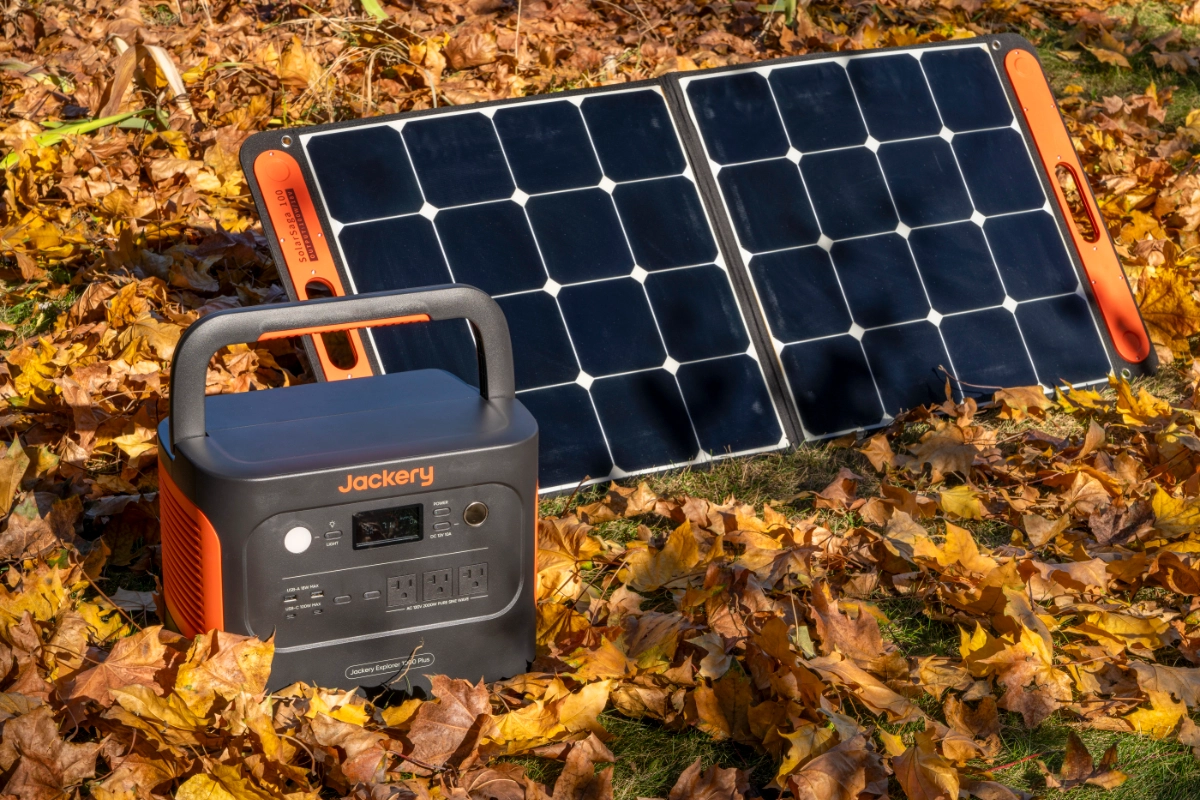
From solar. A 100W folding panel realistically produces about 300 to 400Wh on a good summer day with decent aim and no shade. Not 100 watts times however many hours of daylight, because peak sun hours are fewer than daylight hours and panels rarely hit their rating. Shade from a single branch across the panel can cut output far more than you would expect.
Do the honest math on that. If your fridge eats 350Wh a day and your panel makes 350Wh a day, you are exactly break-even in perfect conditions, and underwater the first cloudy afternoon.
So the real answer for most overlanders is: drive most days, charge from the alternator, and treat solar as insurance for the days you stay put.
Three ways to build it
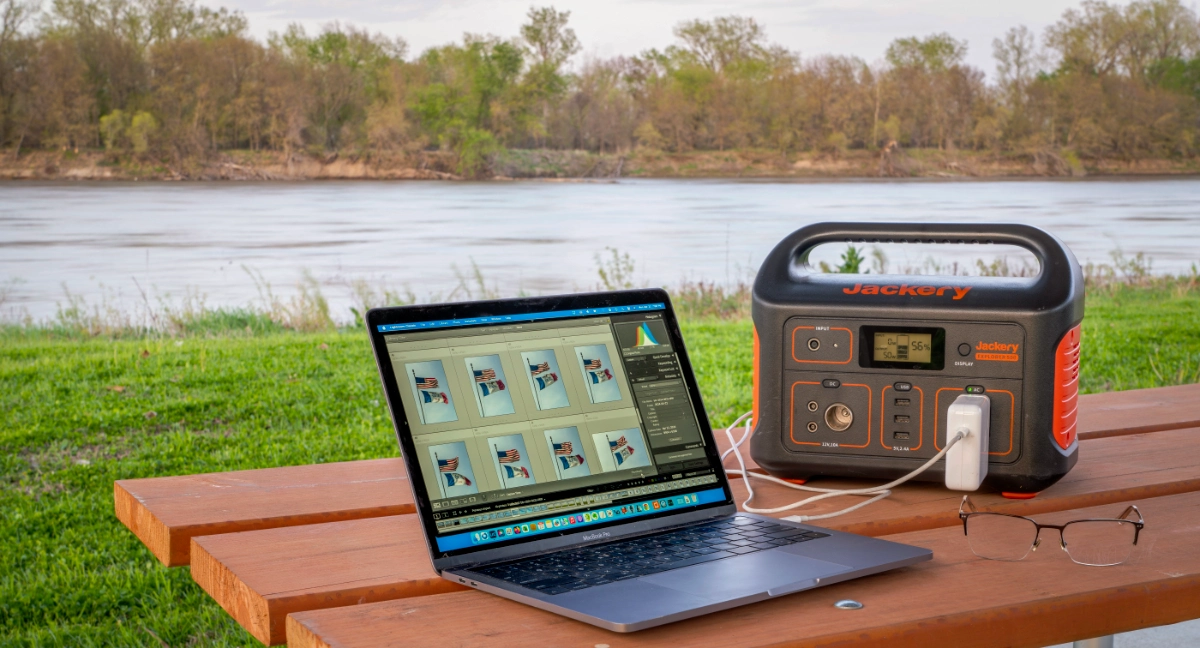
Power station. Buy one thing, plug it in, done. No wiring, no install, and you can carry it into the house or a rental. Downsides are that you are paying for an inverter and battery management you may not need, and charging from the vehicle is slower than a hardwired setup unless you add the right cable. This is where almost everyone should start.
Dual battery with DC-DC charging. A second battery in the vehicle, charged properly from the alternator through a DC-DC charger. More capacity, much faster charging, and it disappears into the rig instead of taking up a seat. Costs more, requires installation, and is not going anywhere with you. This is the upgrade when you have learned your actual usage and outgrown the station.
Generator. Mostly the wrong answer for overlanding. They are loud in places people came to be quiet, some dispersed areas restrict them, and you are carrying fuel to make electricity when your engine already does that. Generators make sense for base camps, big power tools, or running air conditioning. For a fridge and some devices, they are noise you do not need.
Sizing tiers
- Under 300Wh. Phones, lights, a laptop. Not a fridge. Fine for a weekend if you are running a cooler.
- 500Wh class. A fridge for one day, or devices for several. Workable if you drive daily and can recharge.
- 1,000Wh class. The sweet spot for most fridge-running overlanders. Roughly two days of fridge plus devices with no input, more with driving.
- 2,000Wh and up. Long stationary camps, working remotely, CPAP plus fridge plus laptop. Heavy, and at this point a dual battery setup is worth pricing against it.
Cold weather changes the math
Lithium batteries lose usable capacity in the cold, and many refuse to charge at all below freezing unless they have internal heating. If you are doing fall and winter trips, keep the station in the cab rather than the bed overnight, and expect noticeably less out of it than the summer number.
The upside is that your fridge draws far less in cold weather, so the two effects partly cancel. Partly.
Mistakes to avoid
- Sizing for capacity and ignoring recharge rate
- Assuming a 100W panel makes 100 watts all day
- Charging only through the 12V socket and wondering why it never fills
- Putting the panel somewhere convenient instead of somewhere sunny
- Buying a generator for a fridge
- Leaving the station in the truck bed on a freezing night
FAQs
For a 45 to 50 quart 12V fridge, plan on 250 to 500 watt-hours per day depending on temperature. A 1,000Wh station covers about two days with no input, and considerably more if you are driving between camps and recharging as you go.
It depends entirely on whether you move. If you drive most days, your alternator does the work and solar is a nice backup. If you park for several days at a time, solar goes from optional to essential. If you have roof rack space available for a solar panel, that is easy yes.
Start with a power station. It requires no installation, it comes with you when you sell the rig, and it teaches you what your real usage is. Move to a dual battery setup once you know that number and find it limiting.
Yes, but add your connectivity draw to the budget, not just the laptop. Satellite internet is a real load. We wrote up the practical side of that in our Starlink Mini piece.
Only for devices that need AC. Most power stations have one built in. Running 12V devices on their native DC and skipping the inverter entirely is meaningfully more efficient, so use the DC outputs when you can.
Size for the fridge, plan for the recharge
Almost every power problem on the trail traces back to one of two things: somebody sized their system for a number on a box instead of what their fridge actually eats, or they had plenty of capacity and no realistic way to put energy back in. Get those two right and the rest of it is details. What else goes in the rig is covered in our overlanding packing list.